
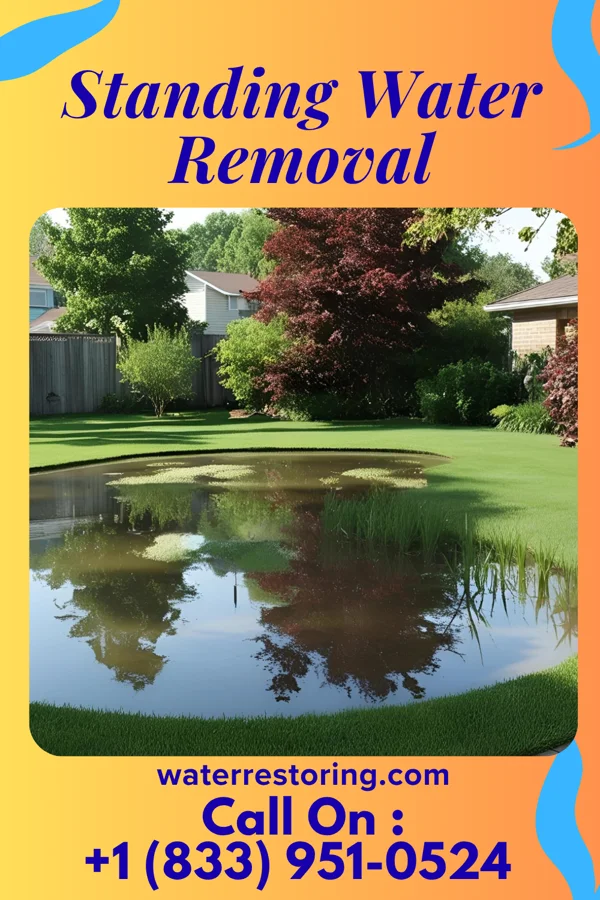
Why Long Hill Standing Water Demands Fast Removal
Most water damage emergencies in Long Hill start with In Long Hill, Connecticut, water damage is often caused by heavy rainfall and flooding due to its proximity to the Long Island Sound and the Poquonock Bridge. The area's rural setting and lack of extensive drainage systems can lead to standing water in basements and low-lying areas after storms.. A close second is Secondary causes include sewer backups from nearby towns like New London, plumbing failures in older homes, and groundwater seepage through poorly maintained foundations. These issues are exacerbated during the spring thaw and hurricane season.. From the second water touches the property, every minute changes what gets saved and what gets ripped out.
Long Hill experiences a humid subtropical climate, with heavy precipitation in the spring and summer months. This increases the risk of water intrusion, especially in homes built on elevated ground or near waterways like the Quinnipiac River.
Most standing water removal calls in Long Hill come from In Long Hill, Connecticut, water damage is often caused by heavy rainfall and flooding due to its proximity to the Long Island Sound and the Poquonock Bridge. The area's rural setting and lack of extensive drainage systems can lead to standing water in basements and low-lying areas after storms.. Running a close second is Secondary causes include sewer backups from nearby towns like New London, plumbing failures in older homes, and groundwater seepage through poorly maintained foundations. These issues are exacerbated during the spring thaw and hurricane season.. Local mold risk: Mold growth in Long Hill can occur within 48 hours of water exposure, especially in humid conditions. Prompt action is critical to prevent health risks and structural damage, particularly in rural homes with less frequent inspections.
For public guidance on the health effects of mold after prolonged water exposure, see the EPA mold and health page.